
How Does Machar Observe the High Holidays?
Like Jews around the world, Machar marks the High Holidays with services for Rosh Hashanah and Yom Kippur. We have services on Rosh Hashanah day (the “first day” of Rosh Hashanah), Yom Kippur evening (the Kol Nidre service), and Yom Kippur day for all our members. We also have daytime services for families with children, as well as childcare for adults who want to go to the community services while their children play at our childcare program.
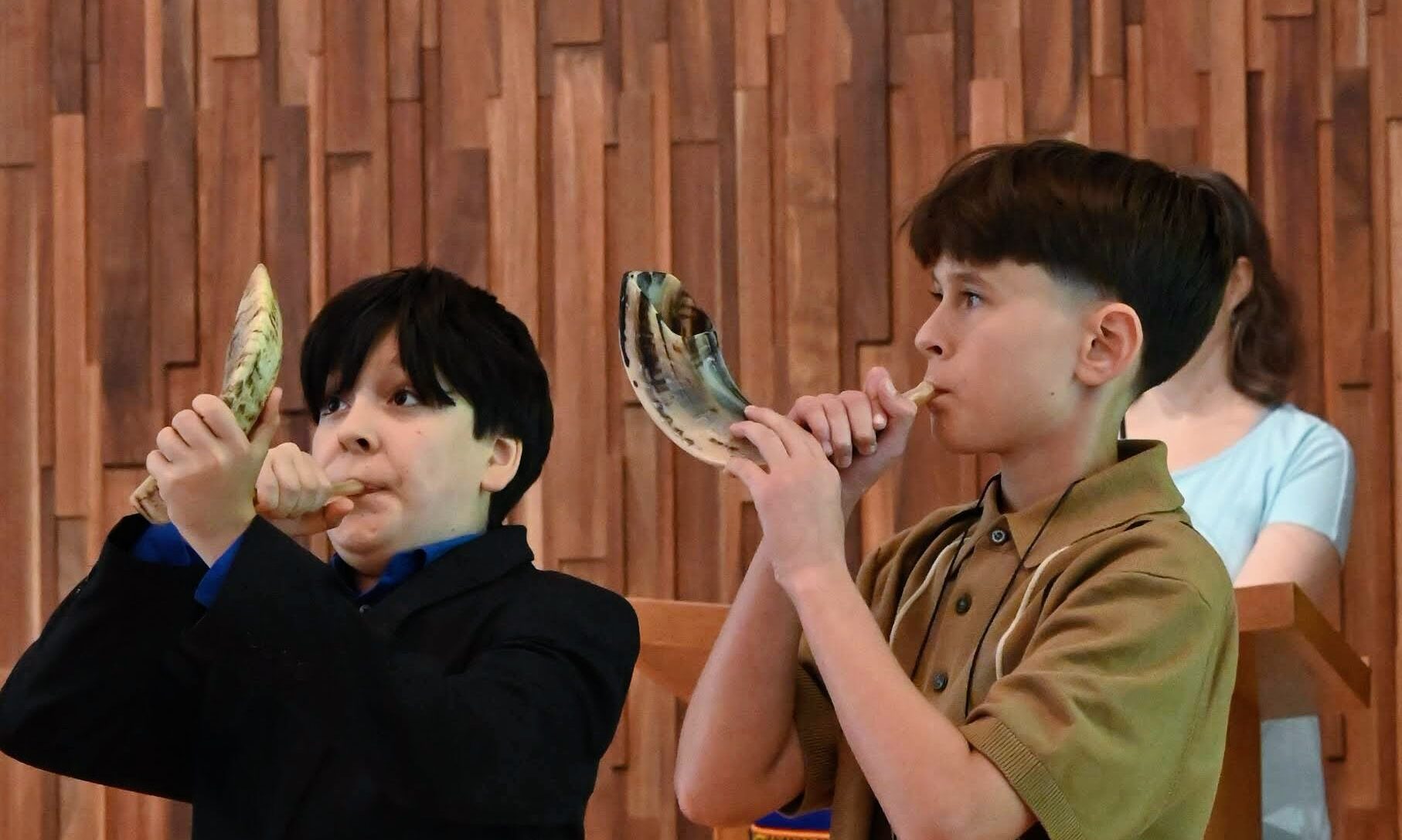 We blow the shofar, sing traditional and modern music, and read meaningful texts related to themes of the holiday, led by our rabbi, choir, and members of our congregation. Each year, we feature talks by Machar members as well as our rabbi. On Yom Kippur evening, we have three different versions of Kol Nidre: the traditional version, an all-instrumental version, and a humanistic version, with Machar choir members or accompanists performing each one. We gather after each service to spend time together in an informal gathering, and we often perform the tashlich ritual on Rosh Hashanah day, after our services conclude.
On Yom Kippur, we also remember loved ones and friends who have died. On Yom Kippur evening, we have a Nizkor (“we will remember”) service, which centers on themes like the more traditional Yizkor service at many congregations. On Yom Kippur day, we have a separate memorial service with a special remembrance and candle lighting ceremony for anyone who wishes to participate.
Seeing for oneself is probably better than reading an explanation. At the bottom of this page, you’ll find links to the text of our services for Rosh Hashanah day, Yom Kippur evening, and Yom Kippur day.
In the Torah, Rosh Hashanah and Yom Kippur aren’t called the High Holidays or, in the more traditional Jewish formulation, the Days of Awe – the Yamim Nora’im. While the Torah provides an elaborate description of Yom Kippur day that was important when the Temple stood in Jerusalem, Sukkot was the more important holiday if measured by days in length, the number of sacrifices offered, and the connection to the natural cycle. If anything, Rosh Hashanah and Yom Kippur started as warmups for Sukkot! And Rosh Hashanah isn’t even called that in the Torah – it’s known as a “day of alarm,” a kind of wake-up call as Yom Kippur approached.
The Babylonian Exile after the First Temple’s destruction in 587 BCE changed some of how Judeans – who became the Jewish people as we know it today – understood the meaning of Rosh Hashanah and Yom Kippur. The Torah’s new year is in the same month as Passover, but the Babylonians among whom the exiles lived celebrated two new years: one in the spring around Passover, and the other in the fall around Rosh Hashanah. Over time, the themes of the Babylonians’ fall new year, which centered in part around the ideas of kingship of their king and their gods, came into Judaism and helped bring the themes of Rosh Hashanah as we know it today into Jewish culture.
At Machar, we focus on the ideas of the High Holidays that have made them so important in modern Jewish life: marking a new year, new chances to do good, and the opportunity to reconcile with those we’ve harmed. We know we can never do any of this perfectly. But we also know and celebrate that each Rosh Hashanah and Yom Kippur provides us another chance to start again and to commit ourselves to doing better the next year than we did in the last.
Tashlich means “casting off,” and is a common ritual among many Jewish communities in which negative actions or experiences of the prior year are cast off into water, symbolizing the intention to cast away sins or reject old patterns of negative behavior or thoughts. Many communities do this by casting breadcrumbs into running water or emptying out the lint from their pockets into water. There are even Jewish communities who observe tashlich by walking into the ocean!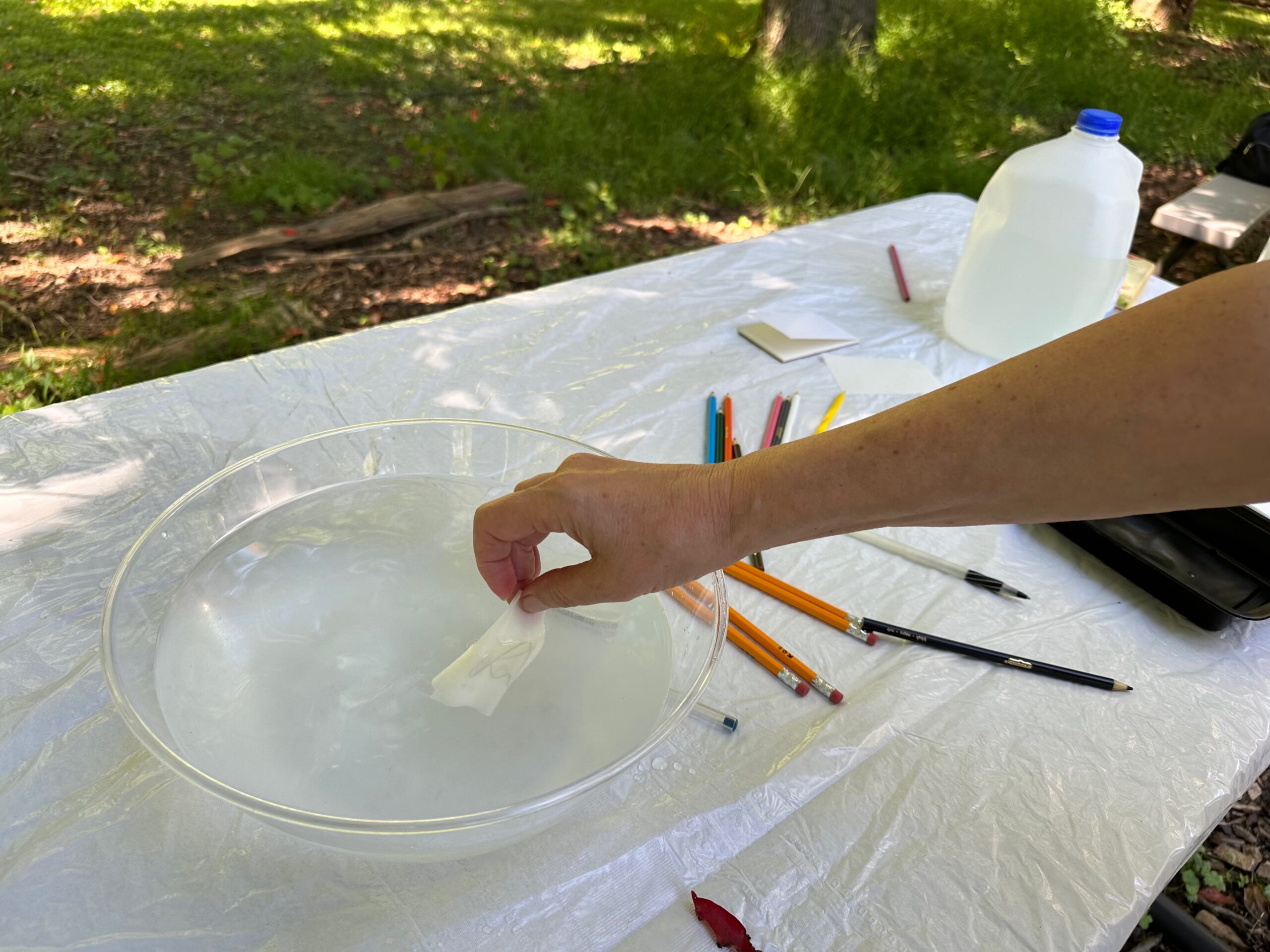
At Machar, we have done some traditional-looking tashlich ceremonies, and some creative ones. Sometimes we gather after Rosh Hashanah services near Rock Creek and cast bread into the water, reciting some poetry, as we did in 2019. Other times, we’ve gathered around a large bowl of water and written negative feelings, actions, or thoughts onto dissolving paper, allowing the negative aspects of the final year to symbolically dissolve away. Or we might do a “reverse” tashlich, where we go to a park or other area and collect litter or debris as a way of improving the world in a concrete way around one the most important times of the year in Jewish tradition.
Kol nidre is an Aramaic (a language very similar to Hebrew) phrase that means “all vows.” Known in some form since the 8th century, the practice of chanting the Kol Nidre text came about as a way for Jews to come together as Yom Kippur started and, depending on which version of the text they used, either nullify the vows they had made the prior year, or to preemptively nullify vows they might make in the coming year. For centuries, rabbis often opposed this practice. They did not want people to take vows and oaths so casually, and antisemitic claims often said that Jews could not be trusted because the Kol Nidre showed that Jews did not keep their promises.
While the traditional text claims to apply to all the vows or oaths someone might make or take, over the years, it came to be understood that the Kol Nidre applied only to vows a person might make that involved their own personal religious commitments. If someone broke a vow to another person, they still had to atone for it by apologizing to the other person, repairing the harm done, and working not to make the same mistake again.
At Machar, we put three different Kol Nidre versions into our Yom Kippur evening service, echoing the traditional practice of chanting the Kol Nidre text three times. We have one chanting of the traditional text; an instrumental performance of the melody, often infused with jazz overtones and improvisation; and a Humanistic version that actually affirms our intent to hold ourselves accountable for the commitments we make for moral action and love. (See our Yom Kippur Evening/Kol Nidre service book, below, for this text.)
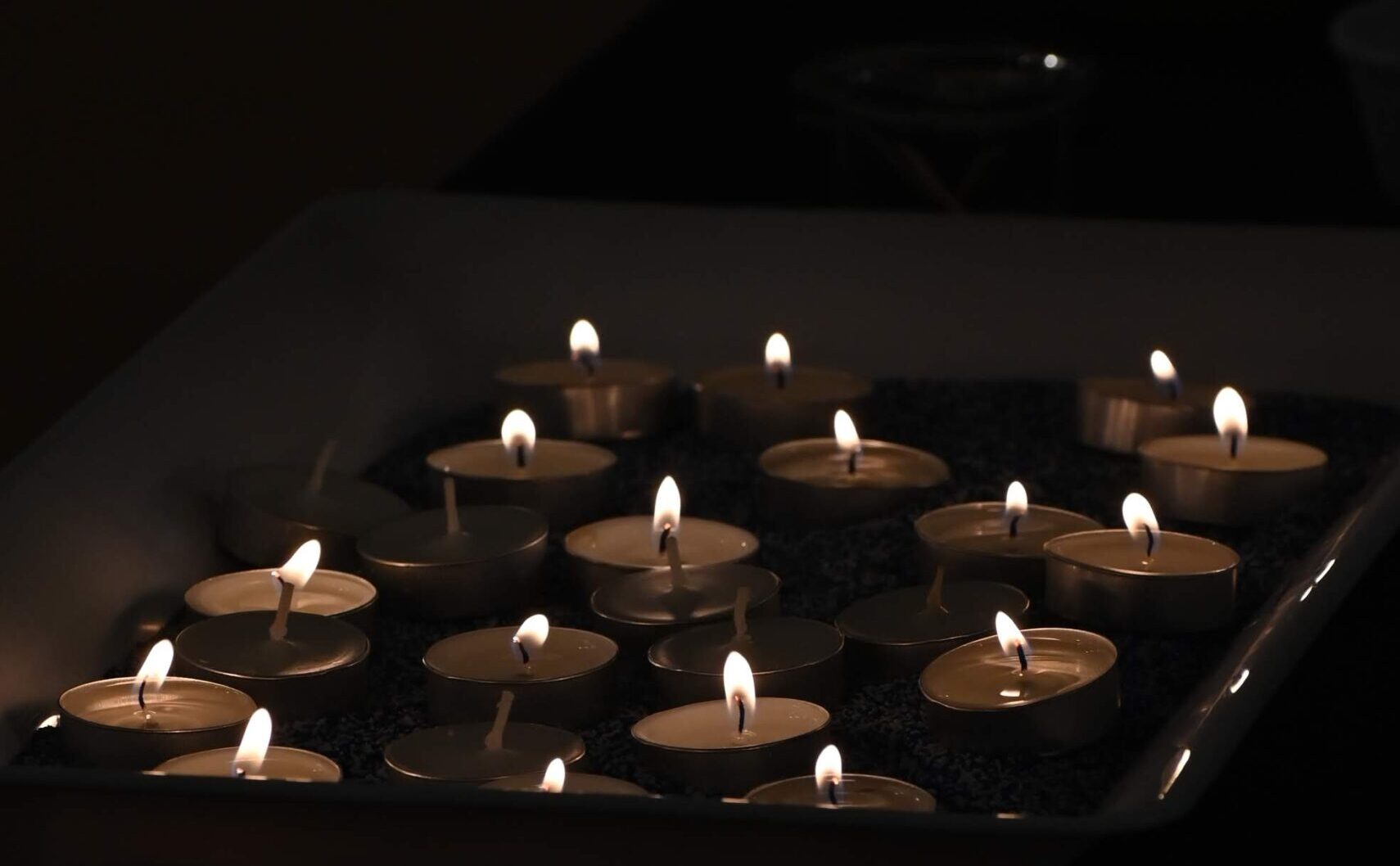 Machar has a portion of our Yom Kippur evening service that we call our Nizkor service. Nizkor means “we will remember” or “let us remember,” and is the Humanistic Jewish interpretation of the Ashkenazi (European Jewish) service called Yizkor. Yizkor means “may [God] remember,” and the traditional Yizkor service asks that the God of the Bible ensure that the souls of the deceased are rewarded in an afterlife. But many modern Jews, and most Humanistic Jews, don’t believe in an afterlife: We believe that keeping alive the memories of those who have died means that we need to remember them, and that we can often find inspiration, support, and courage in the values and actions of those who have died.
Humanistic Judaism believes that we can only really be sure of the one life we lead in the one world on which we live, and that our remembering of those we have lost is the best way to ensure an afterlife for them.
Below, you’ll find copies of Machar High Holidays liturgy for Rosh Hashanah, Yom Kippur evening, and Yom Kippur day, as well as links to videos of prior years’ services and the text of talks by several speakers over the years. Seeing, we think, is better than reading us just talking about what we do at Machar for the holidays!
Machar’s High Holidays Liturgy: